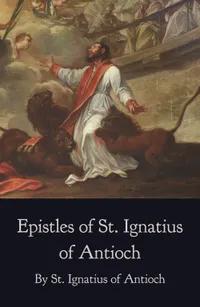
Epistles of St. Ignatius of Antioch
Book Summary
This text presents the collected writings attributed to St. Ignatius of Antioch, a prominent early Christian bishop. It is composed of three distinct parts: a critical introduction discussing the history and authenticity of the letters; the seven epistles widely considered authentic; a collection of later, spurious epistles written in his name; and a traditional account of his martyrdom. The central themes woven throughout are the paramount importance of church unity under the bishop, the refutation of early heresies by affirming the true humanity and divinity of Christ, and a profound theology of martyrdom as the ultimate imitation of Christ.
Introduction and the Authentic Epistles
The introductory "FrontMatter" provides a scholarly overview of the complex history of the Ignatian letters. It explains that of the fifteen epistles bearing Ignatius's name, eight are universally rejected as later forgeries. Of the remaining seven, there exist a shorter and a longer Greek version, with the shorter form being accepted by most critics as more genuine. The introduction also details the 19th-century discovery of an even shorter Syriac version of three letters, which further fueled the debate. The seven authentic letters (to the Ephesians, Magnesians, Trallians, Romans, Philadelphians, Smyrnaeans, and to Polycarp) are primarily concerned with combating heresy and schism. Ignatius repeatedly exhorts the churches to maintain unity by submitting to their local bishop, presbytery, and deacons, famously comparing their harmony to the strings of a harp. He vehemently argues against Docetism—the belief that Christ only appeared to be human and to suffer—insisting on the reality of Christ's incarnation, suffering, and resurrection as the foundation of Christian faith. The Epistle to the Romans is unique in its focus, as Ignatius passionately pleads with the Roman church not to intervene and save him from his impending martyrdom, which he views as the ultimate act of discipleship and the path to attaining true life in God.
The Spurious Epistles
This section contains a collection of letters that are not considered genuine works of Ignatius but were attributed to him in later centuries. These include epistles to communities like the Tarsians and Philippians, to a deacon named Hero, and a legendary correspondence with the Apostle John and the Virgin Mary. These writings expand upon the themes of the authentic letters but often in a more developed and systematic theological manner. They contain more detailed arguments against a wider range of heresies, offer elaborate moral instructions on duties for husbands, wives, masters, and servants, and provide specific rules for church order. The letters to St. John and Mary, in particular, serve to anachronistically bolster Ignatius's authority by fabricating a direct personal connection to the apostolic circle, with Mary being depicted as a source of secret knowledge about Jesus.
The Martyrdom of Ignatius
The final section is a hagiographical account of Ignatius's final journey and death. It narrates his condemnation by the Emperor Trajan in Antioch and his subsequent transport to Rome to be executed in the amphitheater. The account portrays Ignatius as a courageous "soldier of Christ" who joyfully embraces his fate, seeing it as the perfection of his faith. Along his journey, he writes his epistles and encourages the churches. The narrative culminates in his arrival in Rome, where he calms the local Christians who wish to save him, and is thrown to the wild beasts, which quickly devour him as he had wished. The account concludes with his disciples gathering his few remaining relics and being comforted by a vision of Ignatius in glory, confirming his status as a blessed martyr and champion of the faith.