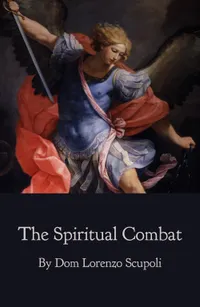
The Spiritual Combat
Book Summary
The Spiritual Combat is a guide to achieving Christian perfection, which it defines not as external acts of piety, but as the complete alignment of the human will with the will of God. This process is presented as a lifelong "combat" against self-love, sinful inclinations, and worldly temptations. The book outlines a practical methodology for this spiritual warfare, equipping the reader with four essential "weapons": distrust of self, trust in God, spiritual exercises, and prayer. It provides detailed strategies for conquering specific passions, governing the senses and will, and maintaining interior peace. Ultimately, it emphasizes perseverance, humility, and a deep reliance on God's grace, particularly through the Sacrament of the Eucharist, to win the final victory and achieve union with God.
Section 1: The Nature of Perfection and the Weapons for Combat
The book begins by correcting common misconceptions about Christian perfection. It asserts that true perfection does not consist in external practices like fasting, frequent prayers, or strict observance of rules, although these can be useful tools. Instead, the essence of the spiritual life lies in knowing God's goodness, recognizing one's own nothingness and inclination to evil, and conforming one's will entirely to God's pleasure out of pure love for Him.
To achieve this, one must engage in a constant, internal war against self. The author presents four indispensable weapons for this conflict:
- Distrust of Self: A deep, humble conviction that one is nothing and can do no good on their own. This is acquired by meditating on one's own weakness and praying for humility.
- Trust in God: A perfect confidence that God alone provides the strength needed for victory. This is fostered by remembering God's infinite power, goodness, and unwavering desire to help those who turn to Him.
- Spiritual Exercises: The practical application of disciplining the mind and will. The understanding must be guarded from ignorance and idle curiosity, while the will must be trained to desire and act solely for the glory of God.
- Prayer: The primary means of obtaining all graces from God. Effective prayer requires a fervent desire to serve God, unwavering faith, and complete submission to the Divine Will.
Section 2: Practical Strategies for the Spiritual Battle
This section provides detailed tactics for the day-to-day spiritual fight. The central struggle is between the "reasonable will," which should align with God, and the "sensual will," which is drawn to earthly passions. The key is to consistently do violence to one's own inclinations, no matter how small. A specific method is given for resisting passions: first, resist the impulse; second, intentionally re-excite and overcome it with greater force; and finally, make acts of the contrary virtue until a new, holy habit is formed.
Special attention is given to specific vices. Lust, unlike other passions, must be fought not by direct confrontation but by immediate flight from all occasions of temptation. Sloth is to be overcome by immediate action and by breaking down daunting tasks into smaller, manageable parts. The book also provides methods for guarding the outward senses (sight, hearing, etc.) by training them to elevate the mind to God rather than indulging in worldly pleasure. A critical teaching in this section is how to respond to failure. When one falls into sin, they should not despair but immediately turn to God with humility, calmly acknowledge the fault as a product of their own weakness, trust in God's mercy, and resume the fight without anxiety.
Section 3: Divine Aids: The Holy Eucharist, Thanksgiving, and Oblation
The author presents the Holy Sacrament of the Eucharist as the most powerful weapon in the spiritual combat, surpassing all others because in it, one fights with Christ Himself. The book details how to prepare for Holy Communion with two primary aims: to conquer a specific passion or to grow in love for God. Preparation involves meditating on Christ's intense desire to unite with the soul, followed by acts of humility, adoration, and resolute intention. The text also explains the concept of "Spiritual Communion," a way to receive Christ's grace at any moment by enkindling a fervent desire for Him in the heart.
Following the reception of grace, the book emphasizes the importance of thanksgiving and self-offering (oblation). True thanksgiving involves recognizing God as the source of all good and offering oneself back to Him in love and service. A proper self-offering must be made in union with Christ's own offering on the Cross and requires a will that is detached from all creatures and purely focused on accomplishing God's pleasure.
Section 4: Maintaining Interior Peace and Perseverance to the End
The final part of the book focuses on the importance of maintaining "interior peace," which is a hallmark of the Holy Spirit's presence. All anxiety and disquiet, even if they seem to arise from a good motive, are described as imperfect and rooted in self-love. The reader is instructed to handle spiritual dryness and desolation not with discouragement, but with patient perseverance, understanding these trials as medicine from God intended to foster humility and a deeper knowledge of one's dependence on Him.
The necessity of daily examination of conscience is stressed, not to foster guilt, but to identify falls, understand their causes, and renew the resolve to fight. The author concludes by reminding the reader that the spiritual combat is a lifelong endeavor that only ends with death. Therefore, one must prepare for the final hour by fighting valiantly throughout life and by meditating on death to reduce its terror. The book ends with specific advice for resisting the final assaults of the enemy at the point of death, namely temptations against faith, to despair, and to vainglory, ensuring the soul can complete its journey to God in peace and victory.